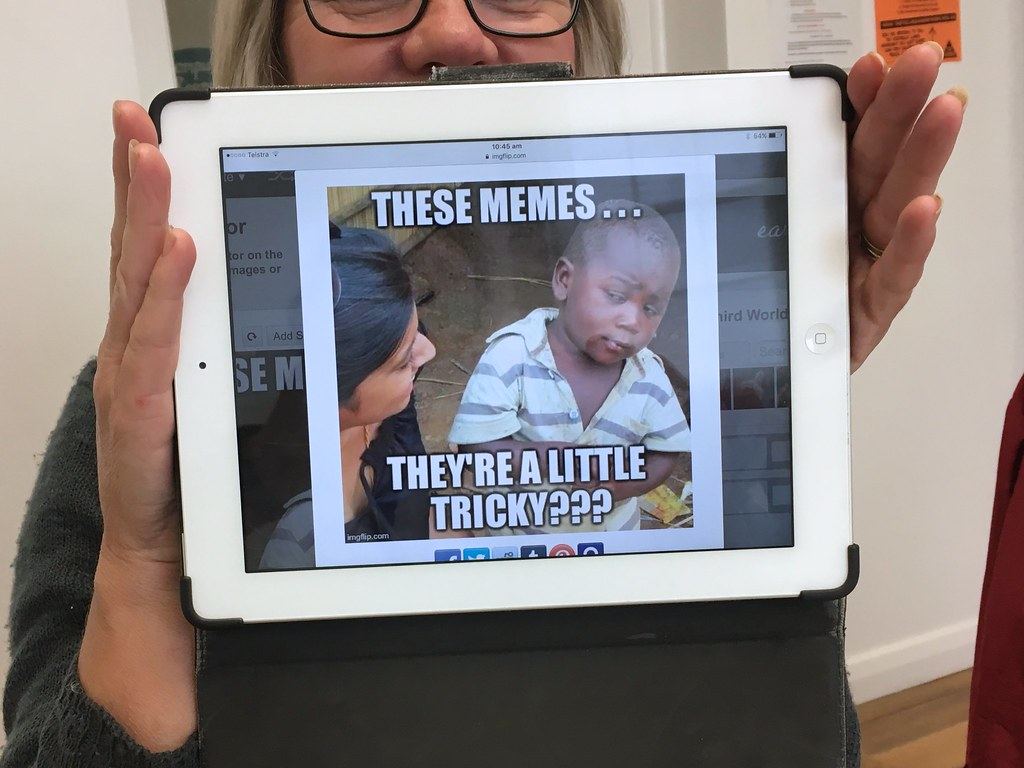
Memes, the images, phrases, or ideas that spread rapidly through imitation and remixing across the internet, have evolved from a niche internet subculture phenomenon into a mainstream form of communication referenced in advertising, journalism, and everyday conversation.
The Anatomy of a Meme
Successful memes typically share certain traits: they are simple enough to be easily understood and recreated, flexible enough to be adapted to different contexts, and often carry an element of humor or relatability that resonates broadly across different communities and demographics.
From Niche Communities to Wider Audiences
Most memes originate within specific online communities before spreading outward. As a meme moves from its origin community to broader platforms, it often loses some original context and nuance, sometimes leading to different interpretations or uses than the meme’s original creators intended.
The Remixing Culture
A defining feature of meme culture is remixing, where users take an existing template or format and adapt it with new text, images, or context. This collaborative, iterative process allows memes to stay relevant and evolve rapidly, often referencing current events almost as quickly as they happen.
Commercial Adoption and Its Limits
As memes have become more mainstream, brands and organizations have increasingly tried to incorporate them into marketing and communication. This can be effective when done authentically, but often backfires when it feels forced or out of touch, illustrating that meme culture, despite becoming mainstream, retains a strong sense of what feels authentic versus what feels like exploitation for commercial gain.